
Home
About us
Contact
Make a request
What we supply
Knowledge base
Google rating: 5.0 from 14 reviews★★★★★
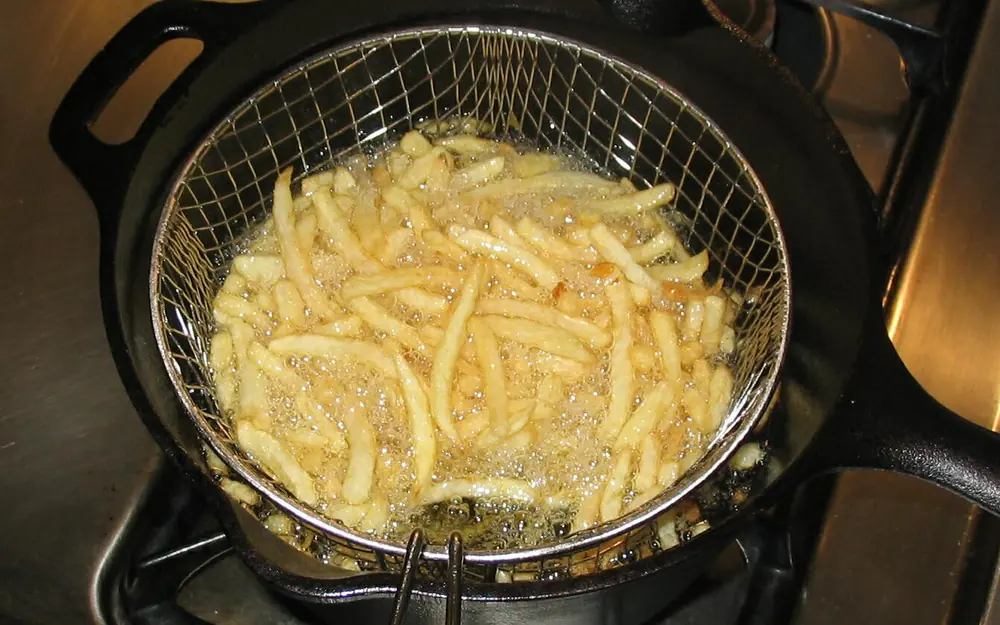
Every catering business that prepares food must work to a food safety system based on HACCP. In Dutch catering this is usually done using the Hygiene Code for the hospitality sector. Fresh chips are a simple product, but because they arrive raw and unprocessed, they deserve a place of their own in that system. On this page we go through the points to watch for HACCP with fresh chips, from delivery to fryer. This is general information: your own hygiene plan remains the guide.
The first control point is the moment the chips come in. Check that the packaging is intact and that the vacuum is still tight around the chips. A bag that has let air in or is damaged does not belong in your stock. Then put the chips straight into the cold store. For chilled products, catering works to a temperature of 7 degrees Celsius or colder.
Many businesses record the temperature and the condition of the packaging on receipt. That way you can show later that the check was done. More on handling the bags themselves is in vacuum-packed chips, and on the right place in the cold store in storing fresh chips.
FIFO stands for first in, first out: what comes in first goes out first. In a busy cold store this goes wrong as soon as a new delivery is put at the front. So always place new bags behind or below the old ones, and write the date of receipt on the packaging if it is not already there. An opened bag gets its own mark and is used up first.
If you also work with whole potatoes, keep them separate from products eaten without further cooking. Unwashed potatoes carry soil, and soil does not belong near salads or prepared dishes. Whole potatoes are also stored differently from fresh chips: cool, dark and frost-free, but not in the cold store. See storing potatoes.
Frying itself is about two things: working safely and a good product. Always put chips into the oil well drained, because water in hot fat makes it spit. Do not overfill the fryer, and never put out a fat fire with water, but with a lid or fire blanket. Fry to golden yellow and no hotter than 175 degrees Celsius. That is also a legal measure against acrylamide, explained in acrylamide in chips.
The condition of the frying fat belongs in your checking schedule. Fat used for too long breaks down, starts to smoke and gives an off-taste. Filter it regularly, skim out crumbs and check it with a tester or test strip. When it is time to change it is explained under changing frying fat.
Potato is not on the European list of fourteen allergens you must be able to declare to guests. Chips made only of potato, like ours with no additives, therefore contain none of those allergens themselves. The risk lies in the fryer. If you fry chips in the same fat as snacks with breadcrumbs, egg, milk, fish or shellfish, cross-contact can occur.
If you can, use a separate fryer for chips, and know exactly which fat you use. Make sure your staff can answer a guest's allergen question properly, because that duty to inform applies to catering too. If you would like help working out a kitchen routine with fresh chips, we are happy to assist. Call or message Thijs on 06 23972300 for advice.
In the cold store, at 7 degrees Celsius or colder. Keep the bags unopened and work first in, first out.
Potato is not one of the fourteen allergens. Do watch for cross-contact if you fry chips in the same fat as snacks containing, for example, gluten, egg, milk or fish.
If raw chips have been out of the fridge for a longer time, do not use them. Only put back what was out briefly, and put it at the front so it is used first.
In the Hygiene Code for the hospitality sector. It describes how to meet the HACCP obligation in your business. The Dutch food authority, the NVWA, checks that you work to those rules.
Call or message Thijs or Joost, or compose your request in a minute. You will hear from us soon.
Make a request Get in touchCall or message Thijs on +31 6 23972300 or Joost on +31 6 23055742, or send an enquiry straight away. We are happy to think along with you.
Make a request Call Thijs: +31 6 23972300